
Leading Demolition Equipment for Safe and Effective Projects
Review the most dependable equipment choices that help ensure safety and success in demolition operations.
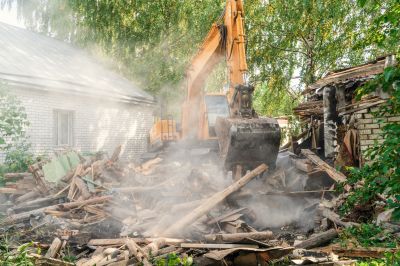 Demolition projects in Mason, Ohio, require a variety of specialized tools and equipment to ensure efficiency and safety. From small-scale interior demolitions to large structural tear-downs, selecting the right products is essential for successful completion. Proper planning and the right equipment can help minimize debris, reduce labor time, and improve overall project outcomes. Whether working on residential, commercial, or industrial sites, understanding the available tools and their applications can greatly enhance the demolition process.
Top Overall Option
Heavy-Duty Demolition Hammer
A versatile and powerful demolition hammer is an essential tool for breaking up concrete, asphalt, and other hard materials. Designed for durability and ease of use, it can handle a variety of demolition tasks on different scales. Its ergonomic design helps reduce operator fatigue, while adjustable settings allow for precise control. When selecting a demolition hammer, consider weight, power source, and compatibility with different bits to ensure it meets your project needs.
Types of Products For Demolition Service
Jackhammers
Hand-held pneumatic or electric tools used for breaking concrete and asphalt in small to medium projects.
Wrecking Balls
Large, heavy balls used for structural demolition of buildings, typically mounted on cranes.
Hydraulic Breakers
Powerful attachments for excavators that efficiently break concrete and rock in large-scale demolitions.
Reciprocating Saws
Electric saws ideal for cutting through metal, wood, and drywall during interior demolition.
Cutting Torches
Gas-powered tools used for cutting through thick steel and metal components.
Pry Bars and Crowbars
Hand tools for prying apart materials and removing nails or fixtures.
Sledgehammers
Heavy handheld tools used for breaking up concrete and masonry.
Demolition Saws
Heavy-duty saws designed for cutting through concrete, masonry, and metal structures.
Dust Suppression Systems
Equipment that minimizes dust during cutting and breaking operations, improving safety and visibility.
Debris Chutes
Structures that facilitate safe and efficient debris removal from elevated demolition sites.
Dumpsters and Roll-Off Containers
Large containers for collecting and transporting demolition debris.
Compact Track Loaders
Versatile machines equipped with attachments for debris removal and site cleanup.
Concrete Crushers
Machinery used for crushing concrete debris into manageable sizes for disposal or reuse.
Excavators with Demolition Attachments
Heavy machinery fitted with specialized tools for large-scale demolition tasks.
Safety Barriers and Signage
Equipment to secure the worksite and ensure safety for workers and the public.
Vibratory Plate Compactors
Tools used to compact soil or debris after demolition to prepare for new construction.
Popular Choices
Widely used for their portability and ease of operation in various demolition tasks.
Commonly selected for their efficiency in large-scale demolition projects.
Popular for precise cutting in concrete and masonry work.
Trending for improving site safety and air quality during demolition.
Versatile and frequently used for debris removal and site clearing.
Essential safety gear that remains a top priority on demolition sites.
Favored for their mobility and power in various demolition environments.
Commonly used for cutting through thick metal components efficiently.
Popular for securing demolition zones and ensuring safety.
Often chosen for site preparation after debris removal.
Trending for efficient debris transport in large projects.
Important for working safely in low-light conditions.
Commonly used to power hydraulic tools and attachments.
Helpful for removing nails during demolition of wooden structures.
Critical safety equipment for working at heights.
Convenient for transporting debris and materials around the site.
Essential for powering tools in remote or outdoor demolition sites.
Useful for minimizing noise disturbance in populated areas.
Safety remains a top priority in demolition work, making protective gear and reliable machinery indispensable. Heavy-duty tools like jackhammers and wrecking balls are common for breaking apart concrete and steel structures, while hand tools such as pry bars and sledgehammers are useful for more precise or delicate tasks. Power equipment, including demolition saws and hydraulic breakers, offer increased efficiency but require proper handling and training. Additionally, debris removal equipment like dumpsters and compactors help manage waste effectively, keeping the worksite organized and safe.
Choosing the right products involves considering the scope of the project, the materials involved, and the safety standards required. High-quality, durable equipment can withstand the rigors of demolition work, ensuring longevity and reliability. Proper maintenance and operator training are also vital to maximize the effectiveness of these tools and minimize potential hazards. As Mason continues to see diverse demolition projects, having access to a comprehensive selection of products tailored to various needs can make a significant difference in project success.
Key Buying Considerations
- Assess the scope and scale of your demolition project to determine the appropriate equipment size and power.
- Prioritize safety features and protective gear to ensure worker safety during operation.
- Consider the materials involved, such as concrete, steel, or wood, and select tools compatible with those materials.
- Evaluate the durability and build quality of equipment to withstand demanding demolition tasks.
- Check for ease of use and ergonomic design to reduce operator fatigue and improve efficiency.
- Review maintenance requirements and availability of replacement parts for long-term cost-effectiveness.
- Determine the power source—electric, pneumatic, or hydraulic—and choose based on site accessibility and project needs.
- Factor in transportation and storage options for larger equipment or machinery.
- Look into noise levels and dust control features to comply with safety standards and minimize site disruption.
- Ensure that equipment comes with clear safety instructions and operator training recommendations.
- Consider compatibility with existing tools and accessories to maximize versatility.
- Verify the availability of after-sales support and warranty services from suppliers.
- Estimate the budget for both initial purchase and ongoing operational costs.
- Review local regulations and permits related to demolition equipment usage in Mason, OH.
- Plan for debris management solutions to facilitate efficient site cleanup and waste disposal.